What federal employees should check before Open Season for the 2027 plan year is their specific plan's new premium (not just the program-wide average), whether their current plan is still offered, whether their doctors and prescriptions remain in network, and whether a different enrollment tier would cost less. OPM, the U.S. Office of Personnel Management, released final 2027 rates for FEHB (the Federal Employees Health Benefits Program), along with PSHB (the Postal Service Health Benefits Program) and FEDVIP (the Federal Employees Dental and Vision Insurance Program) rates, on September 30, 2026. The enrollee share of FEHB premiums is climbing again, but how much your paycheck or annuity deduction changes depends on choices you make between now and December 14. Federal employees should also understand their union grievance and arbitration rights when workplace disputes arise.
This guide walks federal employees and annuitants through exactly what to verify before Open Season closes, what has changed for 2027, and the Open Season dates and effective dates that matter most.
What the 2027 FEHB Premium Numbers Actually Say
The FEHB enrollee share of the premium you actually pay out of your paycheck or annuity is rising an average of 10.9% in 2027, the third consecutive year of double-digit FEHB premium increases. That is different from the overall premium, which rises 9.3% on average, and the government contribution, which rises 8.6%. According to OPM's Federal Benefits Open Season Highlights for Plan Year 2027, total FEHB premiums rise 9.3% on average, while the enrollee share rises 10.9% on average.
For context, the 2027 enrollee-share increase is slightly smaller than last year's. According to data compiled by MyFederalRetirement from OPM rate files, the enrollee share rose 12.3% in 2026 and 13.5% in 2025. PSHB, the health program for Postal Service employees and annuitants, is seeing a smaller 2027 increase: PSHB enrollees will pay 8.2% more on average, compared with 11.3% in 2026. FEDVIP is the quieter line item: OPM reports an average 1% increase for dental plans and 1.6% increase for vision plans. These rising benefit costs also make it important to understand challenges related to FERS contributions
The 10.9% figure is an average. That matters because your plan is not an average.
What Federal Employees Should Check Before Open Season
The single most important thing to understand is that the 10.9% headline number says very little about what you will actually pay. In OPM's 2027 rate files, 20 of 117 FEHB plan options with comparable 2026 and 2027 rates cost a Self Only enrollee less next year and at the other extreme, self-only enrollees in MHBP Standard will pay 63% more, according to Federal News Network. Here is the short list of items every federal employee and annuitant should verify before December 14.
Confirm Whether Your Current FEHB Plan Is Available in 2027
OPM has discontinued nine FEHB plan options for the 2027 plan year. According to OPM's FEHB Significant Events Tables, enrollees in these terminating plans must make a positive election into another FEHB plan during Open Season or they will be enrolled in Compass Rose Health Plan Standard, the lowest-cost nationwide plan option for 2027 as determined by OPM. For the one terminating PSHB plan, UnitedHealthcare Choice Plus Primary Postal East, OPM lists a separate default: the Blue Cross and Blue Shield Service Benefit Plan FEP Blue Focus.
Affected enrollees should not assume the default plan fits. Compass Rose Standard is a nationwide Exclusive Provider Organization, which means OPM's 2027 benefit data lists no out-of-network benefits for this option, so enrollees are limited to the plan's network. Verify your individual transition instructions in OPM's 2027 Open Season Highlights and confirm your doctors are in the replacement plan's network before letting the default take effect. Also, understand what happens after OPM receives your retirement application.
Check Your Plan's Actual 2027 Premium, Not Just the 10.9% Average
Pull your plan's 2027 biweekly or monthly rate directly from OPM's 2027 FEHB premium rates page or the final page of the plan's Section 2 brochure. You can check your premium on the carrier website, on the last page of the FEHB plan brochure, or on the OPM Open Season site. The OPM plan comparison tool, which lets you filter by ZIP code and enrollment type, became available on OPM.gov in early November.
Verify Your Doctors, Hospitals, and Prescriptions Are Still Covered
Health plan provider networks and prescription formularies can change from year to year. Check your plan's 2027 provider directory and drug formulary before making an enrollment decision, and call each carrier you are considering to confirm specific providers are still in network.
Prescription coverage carries an important new condition for 2027. Plans must continue covering at least one GLP-1 (glucagon-like peptide-1) anti-obesity medication and at least two oral options but according to OPM's Federal Benefits Open Season Highlights, all FEHB and PSHB carriers will require documented participation in an evidence-based intensive behavioral therapy (IBT) program both prior to and during treatment with anti-obesity medications. Attestation alone will not satisfy the requirement. Federal employees currently taking a GLP-1 for weight loss should ask their carrier how to document IBT participation and confirm the specific medication remains on the 2027 formulary.
Re-evaluate Your Enrollment Type (Self Only, Self Plus One, Self and Family)
For couples without dependent children, Self Plus One is sometimes, but not always, cheaper than Self and Family. According to OPM, the government contribution for most employees and annuitants is the maximum government contribution, or 75% of their premium paid, whichever is less. That maximum is 72% of the program-wide weighted average premium for the applicable enrollment category. The result: a lower-premium plan can leave you paying a higher share even though you pay fewer dollars, and in some plans, Self Plus One actually carries a higher enrollee premium than Self and Family. Run the actual annual cost for each tier of each plan you are considering rather than assuming the enrollment type with fewer covered people will cost less.
Run the actual annual cost for each tier of each plan you are considering as part of your broader federal retirement income planning rather than assuming the enrollment type with fewer covered people will cost less.
Review FEDVIP, FSAFEDS, and Your Dependents' Eligibility
FEDVIP (dental and vision) continues automatically unless changed. FSAFEDS, the Federal Flexible Spending Account program, does not: you must re-enroll every Open Season if you want FSA coverage in 2027. Finally, if you plan to add a new family member during Open Season, be aware a new documentation requirement is in effect (see the "What's New" section below).
2027 FEHB vs. 2026 FEHB: Premium Changes at a Glance
The following table compares OPM's reported program-wide averages for FEHB and PSHB.
Source: OPM, Federal Benefits Open Season Highlights, 2027 Plan Year; prior-year figures from OPM 2026 Open Season Highlights, as compiled by MyFederalRetirement and FedRateCalc.
FEDVIP note: FEDVIP is a separate program from FEHB and PSHB. For 2027, OPM reports an average 1.0% increase for dental premiums and 1.6% increase for vision premiums. FEDVIP figures are not directly comparable to FEHB or PSHB.
Two takeaways matter here. First, the 2027 enrollee increase is smaller than 2026 but it is the third consecutive year of double-digit increases for FEHB enrollees. Second, the plan universe is shrinking: fewer options from fewer carriers, which can affect availability in certain ZIP codes.
Key 2027 Open Season Dates and When Your Changes Take Effect
The 2026 Federal Benefits Open Season (covering plan year 2027) runs from Monday, November 9, 2026 through 11:59 p.m., per the location of your electronic enrollment system, on Monday, December 14, 2026. Submit your elections before the December 14 deadline and confirm your enrollment has been successfully processed. You can use the federal paycheck calculator to estimate how benefit costs may affect your take-home pay. Your next routine opportunity to change FEHB plans outside of a qualifying life event will be Open Season in November 2027.
Effective dates depend on who you are:
- Non-Postal FEHB employees: Coverage change typically takes effect January 10, 2027, the first day of the first full pay period of 2027.
- FEHB "compensationers" (Office of Workers' Compensation Programs OWCP): Changes take effect January 24, 2027.
- PSHB enrollees: Changes take effect January 1, 2027.
- Annuitants (FEHB and PSHB): Changes take effect January 1, 2027.
Active employees generally enroll through their agency's designated electronic enrollment system; the specific platform varies by agency. Annuitants enroll through OPM's Open Season Online or by phone. PSHB enrollees use the PSHB-specific system.
What's New for 2027: Rules, Benefits, and Plans Leaving the Program
Beyond the premium increase, four substantive changes deserve attention this Open Season.
1. Family-member eligibility documentation. Beginning with the 2027 plan year, employing offices must verify the eligibility of family members added to an FEHB or PSHB plan. According to OPM's Federal Benefits Open Season Highlights, the requirement comes from the FEHB Protection Act of 2025, Section 90101 of Public Law 119-21, and begins with Open Season for Plan Year 2027. The requirement applies when you add a new family member during Open Season, through a qualifying life event, or during an initial enrollment opportunity and does not affect enrollees who are simply continuing existing coverage. Enrollees who plan to add a dependent should prepare marriage certificates, birth certificates, adoption decrees, or court orders before submitting the enrollment change.
2. Nine FEHB plan options are leaving the program. Enrollees in discontinued plans must choose a new plan during Open Season. If no action is taken, OPM moves affected FEHB enrollees into Compass Rose Standard; the one terminating PSHB plan has a separate default, FEP Blue Focus. The default may not match the enrollee's current doctors, prescriptions, or cost profile.
3. Anti-obesity medication coverage comes with new conditions. FEHB and PSHB carriers must continue to cover at least one GLP-1 and at least two oral anti-obesity medications. For 2027, however, carriers will also require documented participation in an evidence-based intensive behavioral therapy program before and during treatment, per OPM's 2027 Open Season Highlights. Employees should review their plan's specific IBT documentation requirements before assuming their current prescription coverage will continue unchanged.
4. PSHB continues on its own track. The Postal Service Health Benefits Program, which took effect January 1, 2025, remains separate from FEHB. Postal employees and Medicare-eligible postal annuitants enroll through the PSHB system, not FEHB. For 2027, PSHB enrollees face an 8.2% average enrollee-share increase, lower than the 10.9% FEHB figure.
Common Open Season Mistakes Federal Employees Should Avoid
Two decisions cost federal employees the most money during Open Season, and both are easy to avoid.
Auto-renewing without comparing. FEHB, PSHB, and FEDVIP coverage all continue automatically into 2027 if you take no action unless your plan was discontinued, in which case OPM moves you into the designated default. With plan-by-plan changes ranging from small decreases to 63% jumps for some self-only enrollees, staying in last year's plan on autopilot can cost hundreds, sometimes thousands of dollars.
Comparing only the premium, not the total cost. The real cost of a plan for the year equals the premium plus deductible plus expected out-of-pocket spending plus any prescription costs the plan does not cover. A plan with a lower premium can easily cost more overall if its deductible is higher, its formulary excludes a drug you take, or its network does not include your specialist.
Missing the right enrollment system or the deadline. Agency enrollment platforms differ, and PSHB enrollees use a different system than FEHB enrollees. Give yourself enough time to log into the correct platform, submit your elections, and verify the change was processed.
How Federal Pension Advisors Helps with Open Season Decisions
An FEHB decision made in isolation can create unintended consequences later, particularly when it intersects with Medicare coordination at retirement or with FERS, the Federal Employees Retirement System, annuity planning. Federal Pension Advisors, a retirement planning firm specializing in federal employee benefits, works with federal employees and annuitants to model total out-of-pocket costs across plan options and to integrate health coverage choices into a broader federal retirement plan. Employees can also use the TSP Calculator to estimate their Thrift Savings Plan savings as part of their retirement income planning. Federal employees navigating a plan termination, a Medicare coordination decision, or a transition from active employment to annuitant status can request a plan-specific review before December 14.
The Bottom Line
The 2027 FEHB premium increase of 10.9% is the third double-digit jump in a row, but the program-wide average is not what you will actually pay. Pull your own plan's 2027 rate, confirm it is still offered, verify your providers and prescriptions, and compare enrollment tiers before Open Season closes at 11:59 p.m. on December 14, 2026. For a plan-specific review that fits into a broader federal retirement picture, Federal Pension Advisors, a retirement planning firm specializing in federal employee benefits, is available.
Frequently Asked Questions
When does FEHB Open Season end for 2027 coverage?
FEHB Open Season for the 2027 plan year ends at 11:59 p.m. on Monday, December 14, 2026, measured by the time zone of your electronic enrollment system. According to OPM, this is the last routine chance to change your FEHB plan, enrollment type, or coverage status until Open Season in November 2027.
How much are FEHB premiums going up in 2027?
The enrollee share of FEHB premiums is rising an average of 10.9% in 2027, according to OPM's Federal Benefits Open Season Highlights for Plan Year 2027. Total premiums rise 9.3% on average, and the government contribution rises 8.6%. Your actual increase depends on your specific plan, option, and enrollment type.
What should federal employees check before FEHB Open Season?
Federal employees should check four items before Open Season: whether their current FEHB plan is still offered in 2027, their plan's actual 2027 premium (not the program-wide average), whether their doctors and prescriptions remain in network, and whether a different enrollment type Self Only, Self Plus One, or Self and Family would cost less overall.
What happens if I do nothing during FEHB Open Season?
If your plan continues into 2027, coverage renews automatically at the new 2027 premium rate. If your plan was discontinued, OPM automatically enrolls FEHB members in Compass Rose Standard and terminating PSHB members in FEP Blue Focus. These defaults may not match your doctors, prescriptions, or cost preferences.
Is PSHB the same as FEHB?
No. PSHB, the Postal Service Health Benefits Program, is a separate program for Postal Service employees and annuitants that took effect January 1, 2025. PSHB plans, premiums, and carriers differ from FEHB. For 2027, PSHB enrollee premiums rise 8.2% on average, according to OPM, compared with 10.9% for FEHB.
Disclaimer:
This article is for educational and informational purposes only and should not be considered financial, investment, tax, legal, or health insurance advice. FEHB, PSHB, and FEDVIP premiums, benefits, coverage options, and eligibility requirements may change. Information is based on available official sources, including the U.S. Office of Personnel Management (OPM), at the time of writing. Federal employees and annuitants should verify current plan details, premiums, provider networks, prescription coverage, and enrollment deadlines directly with OPM and their respective insurance carriers before making decisions. Federal Pension Advisors is an independent retirement planning firm and is not affiliated with, endorsed by, or connected to OPM or any U.S. government agency.
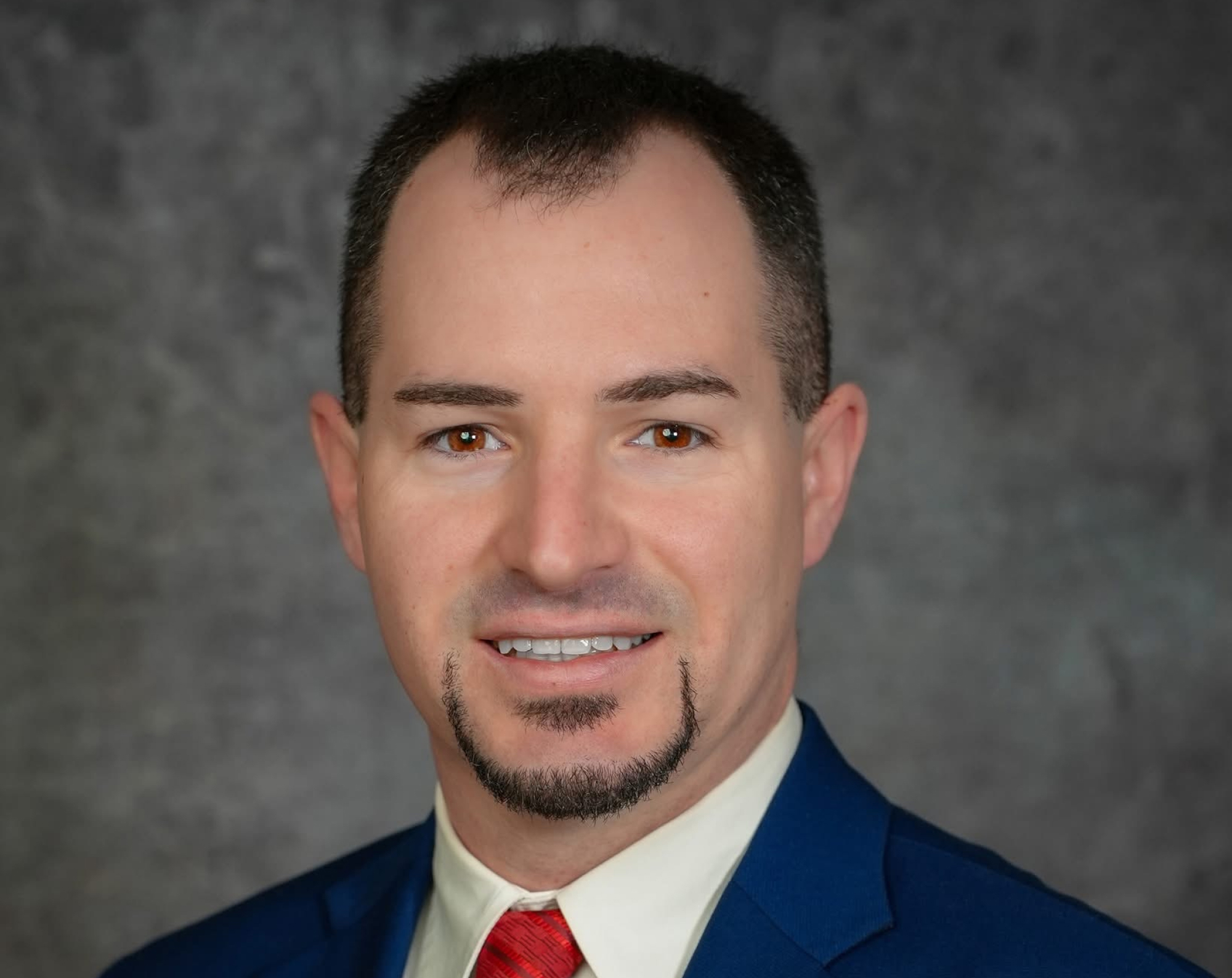
Colin David McLaughlin
Colin David McLaughlin grew up in Plymouth, MA, and graduated from Plymouth South High in 2009. He earned a bachelor’s degree in criminal justice from Bridgewater State University and a master’s degree in business administration with a concentration in IT Management from Southern New Hampshire University.