
A Partner that Keeps Your Retirement Purposeful
Smart Planning for Your Post-career Phase
- One-on-One Consultation: We start with a personal meeting to explain your FERS Pension and benefits. We’ll walk you through the details and costs in easy-to-understand terms.
- Detailed Review: We go over all your options, even though we can’t choose for you. Our aim is to ensure you see all the possibilities.
- Clear Guidance: Our goal is to give you the knowledge and advice you need to make the best choices for your FERS Pension. We’re here to support you.
- Smart Recommendations: If it suits your goals, we might suggest moving some funds to other financial options. This can help improve your returns and better meet your needs.


Get the Green Light: Eligibility Check
Curious about when you can start receiving benefits? The FERS Pension provides a reliable monthly income based on your salary and years of service. Unlike the Thrift Savings Plan, FERS ensures a steady stream of income throughout your retirement.
- Immediate: Begins within 30 days of retirement. Eligible at 62 with 5 years, or 60 with 20 years of service.
- Early: Available during involuntary separations or major reorganizations. Requires 25 years of service, or 20 years if over 50.
- Deferred: For those with at least 5 years of service, benefits start at 62. Reduced by 5% per year before 62.
- Disability: For employees with 18 months of service who become disabled. The disability must last over a year and cannot be accommodated.
Begin Your Financial Planning Journey
Federal Employee Advisor Network connects federal employees and retirees with independent, licensed financial professionals who can help them evaluate their retirement and financial planning needs.
Read Our Latest Blogs
October 22, 2026
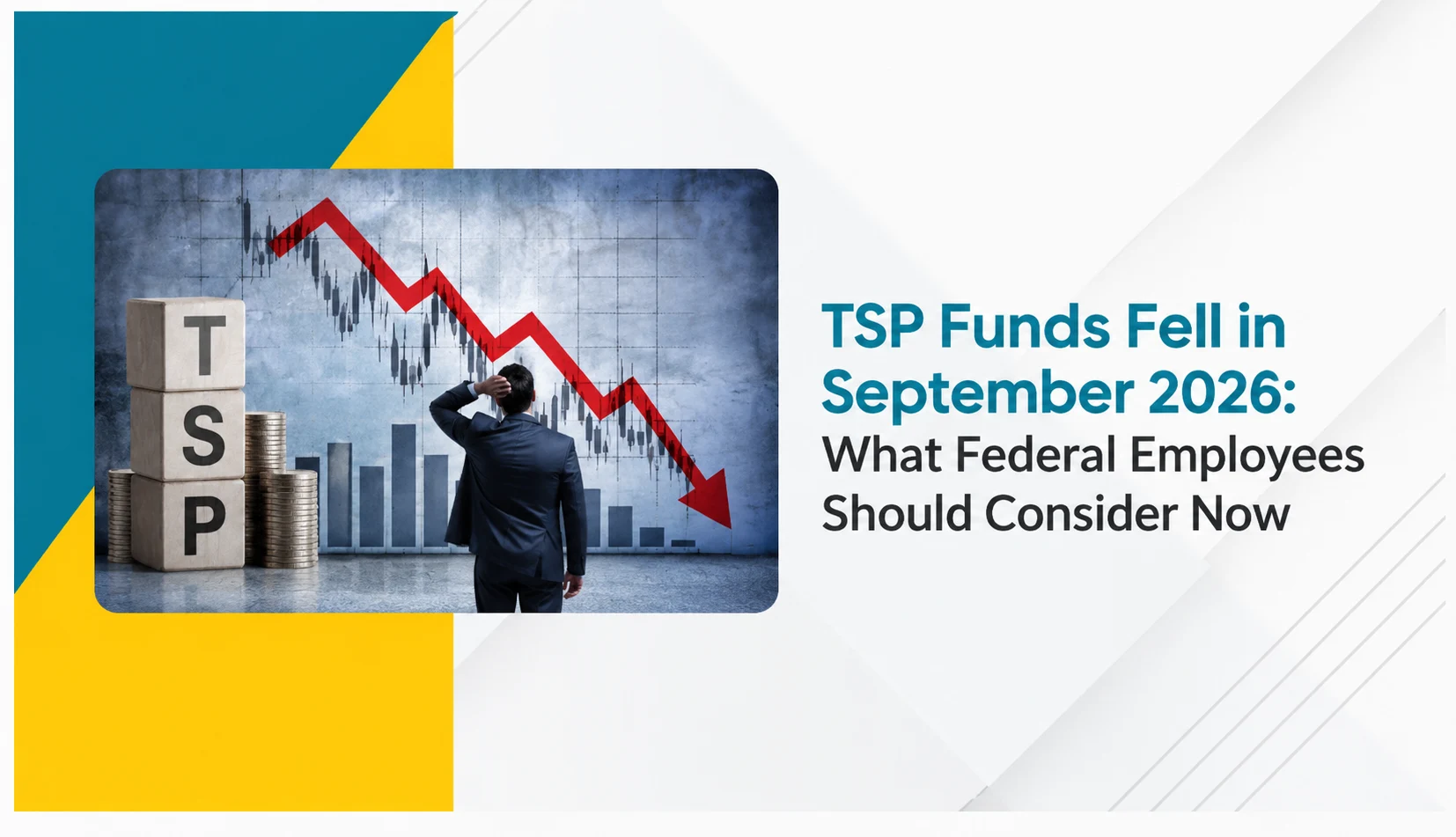
TSP Funds Fell in September 2026: What Federal Employees Should Consider Now
TSP funds fell in September 2026 across every core investment option except one. According to data published on TSP.gov and reported by Government Executive, the Thrift Savings Plan's (TSP) S Fund dropped 3.86%, the F Fund fell 2.59%, the I Fund slid 2.30%, and the C Fund finished 0.35% in the red. The G Fund posted a monthly return of 0.40%, the only core fund to gain ground.
Read More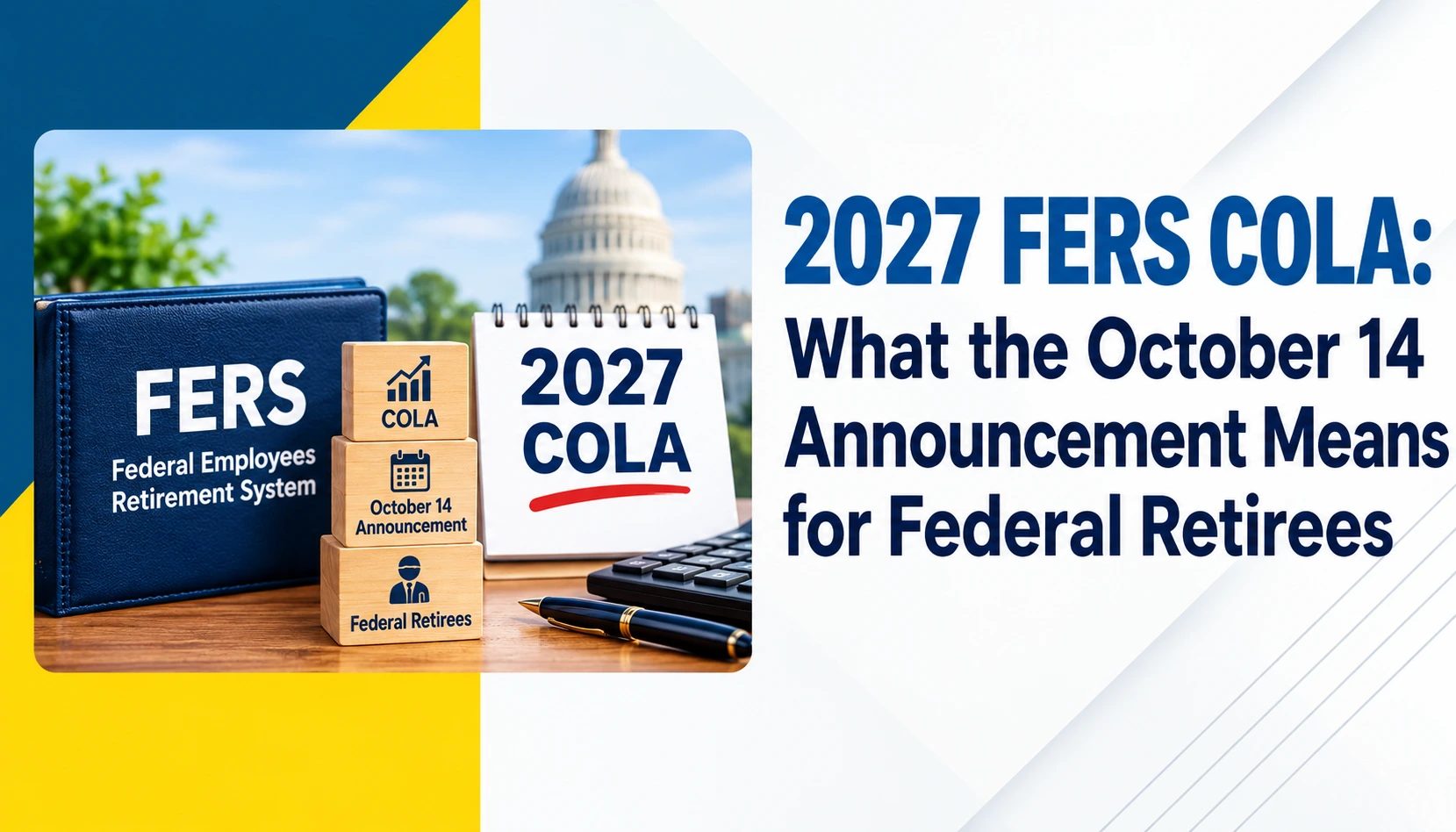
October 21, 2026
2027 FERS COLA: What the October 14 Announcement Means for Federal Retirees
The 2027 FERS COLA is 2.6% for eligible Federal Employees Retirement System (FERS) retirees age 62 and older. The Social Security Administration (SSA) announced a 3.6% cost-of-living adjustment (COLA) on October 14, 2026, and that figure drives the FERS number.
Read More
October 19, 2026
2027 Federal Pay Freeze: How It Could Affect Your FERS High-3 and Retirement Date
The 2027 federal pay freeze is the current proposal to hold base pay and locality pay at 2026 levels for most covered civilian federal employees. It remains subject to congressional action and final implementation.
Read More